
BY MIKE GALBRAITH © AUGUST 2011

A History of the

Yokohama Country & Athletic Club

‘Life in Yokohama in the early days was singularly pleasant. Every type of sport was readily accessible.’

The sports club known today as the Yokohama Country and Athletic Club (YC&AC) played a major role in the creation of the idyllic sporting environment fondly remembered in these words describing Yokohama life in the 1890’s. The words could equally apply to today and to almost all of the time during the last 150 years of the YC&AC’s existence.

Almost every western sport seen in Japan today was first introduced to Japan by the non-Japanese in Yokohama and the YC&AC and the other sporting clubs that it later absorbed were the driving force in their early development in the country.

ORIGIN OF YOKOHAMA’S YC&AC

The history of the YC&AC has always been recognized as starting one day in 1868 in the dining room of the Yokohama home of 23-year-old Scotsman JP (James Pender) Mollison, who was mad about cricket and who had only recently become a local resident. On that day, he and his cricketing friend Ernest Price and a few others founded the Yokohama Cricket Club (YCC) with Mollison as the president and Price as secretary.

YOKOHAMA IN 1868

1868 was the year that the Meiji Restoration took place and the Meiji period started (Mollison watched the Emperor’s procession from Kyoto to Edo [Tokyo] as he passed through Hodogaya!) Non-Japanese had only been residing and doing business in Yokohama since July 1 1859 and numbered only a few hundred. In 1868 Yokohama was seen as a place with great potential because it was the gateway for doing business in Japan- a huge new market. However, it was no sporting paradise and life there was fraught with danger.

‘Life in Yokohama in the early days was singularly pleasant. Every type of sport was readily accessible.’

The sports club known today as the Yokohama Country and Athletic Club (YC&AC) played a major role in the creation of the idyllic sporting environment fondly remembered in these words describing Yokohama life in the 1890’s. The words could equally apply to today and to almost all of the time during the last 150 years of the YC&AC’s existence.

Almost every western sport seen in Japan today was first introduced to Japan by the non-Japanese in Yokohama and the YC&AC and the other sporting clubs that it later absorbed were the driving force in their early development in the country.

Japan was to experience many uprisings in the next few years and the once popular movement to drive the non-Japanese out of Japan still had support. Japan had been closed off from the world by the Tokugawa Shogunate (except for limited contacts and trade through the Dutch in Dejima in the Nagasaki area of Kyushu) for over 200 years. The transition of power from the Shogunate to the Emperor Meiji that Mollison and Price experienced was turbulent and for much of the late 1860s and 1870s there were uprisings.

The threats from these political troubles were not the only dangers faced by the early non-Japanese residents in Yokohama. There were a lot of killer diseases, especially smallpox and cholera. And then there were the fires…

EARLY SPORTS AND SPORTS CLUBS IN YOKOHAMA
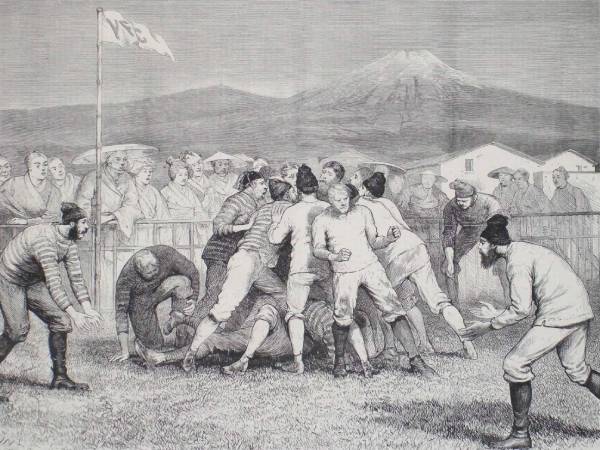
The YCC that Mollison founded in 1868 was not the first sports club established in Yokohama. Already there were several including the Rifle Club, the Racquets Club, the Racing Club and the Foot Ball Club which played what is now called rugby (football) and which, with documentary evidence of its establishment on January 26 1866, is the first rugby club to be established in Asia and one of the first outside of the UK! In fact, Mollison stated that all kinds of sport were- ‘like the proverbial bayleaf’ — being played on every available piece of land where there was enough space for them to flourish. Among those sports was cricket, and there are many newspaper reports of cricket matches being played before Mollison ever set foot in Japan! The catalyst for the rapid development of these sports in the small Settlement, especially those team sports like cricket and football that required a lot of players on the field of play, was the presence of a military garrison of around 1,500 (mainly British) troops on the Bluff above the Settlement from 1864 until the mid-1870’s. There were also many English warships in the harbor. The English army contingent focused on the XXth regiment which was replaced by the Xth regiment before Mollison arrived. The officers and men of the battalions of these two regiments sent to Yokohama included a number of very keen and talented sportsmen.
‘Life in Yokohama in the early days was singularly pleasant. Every type of sport was readily accessible.’
The sports club known today as the Yokohama Country and Athletic Club (YC&AC) played a major role in the creation of the idyllic sporting environment fondly remembered in these words describing Yokohama life in the 1890’s. The words could equally apply to today and to almost all of the time during the last 150 years of the YC&AC’s existence.
Almost every western sport seen in Japan today was first introduced to Japan by the non-Japanese in Yokohama and the YC&AC and the other sporting clubs that it later absorbed were the driving force in their early development in the country.
The arrival of the British military which caused this surge in sporting activity in Yokohama was the result of the Namamugi incident of 1862 in which an English merchant visiting from Shanghai, Charles Lennox Richardson, was slashed to death by samurai on the Tokaido road while riding with friends from Yokohama to visit the big shrine in Kawasaki. Such was the panic among the non-Japanese in Yokohama that even nearly one year later there were still emergency plans in place for evacuation of the entire community onto ships in the harbor. More importantly they put considerable pressure on the government in London to send warships and troops to protect them. As a result it is clear that there is a direct connection between the surge in quality and amount of sporting activity in Yokohama in this 10-year period, especially in team sports, and the Namamugi incident.

THE SWAMP GROUND AND EARLY CRICKET PLAYED THERE

The reason that JP Mollison and his YCC came to dominate the sporting world in Yokohama would appear to be due to the fact that Mollison and Price were very keen to play cricket on the best possible surface. While nearly all the other sportsmen were content simply to play their sport, Mollison dreamed of creating a proper cricket ground. He noted that the parade ground, where cricket had been played ‘with enthusiasm’ before his arrival, ‘was destitute of a blade of grass.’

Even before he and Price founded the YCC, they had negotiated with the local authorities to clear what became the Swamp Ground. There seem to be at least two possible locations of the Swamp Ground. Mollison mentions it was ‘near 265 Banchi’ which is the current location of Minato Middle School playground but maps suggest there was some kind of field not used for housing or business purposes a little further away in a nearby block beside the entrance to China Town. That area is now the site of a large apartment complex. The YCC had no clubhouse but just enough space for a pitch and outfield which was 60 yards square. The players carried their kit to the ground from the ‘Settlement’ where they lived and then after the end of play went back to the ‘Bar’ in the Settlement where they drank copious amounts of cold claret and water, the favorite drink of the day.

The YCC’s most serious early games were against the Redcoats as Mollison often called them. ‘We had some good cricket up to 1870-1871, chiefly against the officers of the Tenth Regiment who were a keen ‘cricketing lot,’ he wrote. The 10th regiment of Foot had only arrived in Yokohama in April 1868 and the officers of the 1st Battalion of the 10th had a longstanding cricket team. Despite being apparently at least partially turfed, the wicket doesn’t seem to have been a great one for batsmen. It certainly was nowhere nearly as good as the Hong Kong Cricket Club wicket where the home team batted for one and a half days scoring 450 runs against the Shanghai Club in the first Interport between those teams in 1866. Price’s brother played in that match but Mollison ‘to my great disappointment’ didn’t. (He did play for Shanghai in the following year when they got their revenge.)

The games were two innings affairs lasting two or more days. People working hard every weekday today may be surprised to learn that these were played on weekdays. ‘To begin with, we had no telegrams to worry us and only two mails a month,’ Mollison wrote around 40 years later. Yep! They worked hard and even late at night to meet the deadline for the mail boats, and then most could relax and enjoy life and sports until the next mail arrived. Detailed match reports and score cards survive relating to two games played between the YCC and the 9th in 1871. Scoring runs does not seem to have been easy and bowlers bowled a lot of wides. After 13 overs of the first innings of the first game, the YCC had managed to score only sixteen runs and of those 10 were from wides and at least one was a leg bye! Mollison appears to have been a good opening bowler taking many wickets. However, he did bowl rather a lot of wides although not as many as some of the 9th’s bowlers. Batting number four or five, he doesn’t seem to have been a big-hitter like his friend Fraser, but he was clearly difficult to get out. When the Swamp Ground was not being used for cricket, the YCC was happy to let other sports clubs, especially the popular Foot Ball Club, use the ground and there are many reports of football matches played on the swamp ground.

1880

FIRST CRISIS & MOVE TO THE CRICKET GROUND​

In the early 1870s the authorities decided to sell the Swamp Ground for development and this caused a problem for the YCC and its cricket team. Luckily, Mollison was able to acquire the rights to a bigger piece of land – 120 yards square – on the reclaimed swamp land at the center of what is now known as Yokohama Koen which is also famous as the site of the notorious Gankiro brothel operated by the Shogunate until it was burnt down in 1866! Meanwhile, the original Swamp Ground was put up for sale with other lots and was acquired by Mollison himself. He built a tea-firing facility on it. Mollison’s business interests were not limited to tea. He was already a leading figure in the community and president of the Chamber of Commerce. He even later became the Japanese agent for Alfred Nobel and the first importer of dynamite.

The YCC’s golden days started in the early 1880’s with British trading firms sending out numerous top class cricketers from London to work in Yokohama because of the club’s reputation. One company famous for this policy was the Mourilyan, Heimann & Co. tea firm which also had an office in Kobe and fed cricketing talent into the Kobe team thus raising the standard of Interport cricket. By now the YCC was not the only cricket team in the area and other teams also boasted good players such as McMillen who played for Mitsubishi, Layard who played for the British Embassy and Treverthick who played for Japan Railways Department. In the 1880’s too, the other sporting clubs in Yokohama like the rugby and athletics clubs began to be consolidated into the YCC.

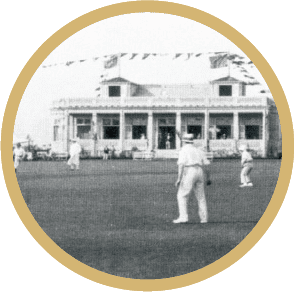
The Interport events with Kobe also started to become multi-sport events. In 1900 the Yokohama club was enlarged and a running track added. A two-story clubhouse was built under the supervision of Mollison and a Mr. Duff. This soon burnt down but was rebuilt. Around the same time, the name of the club was changed to the Yokohama Cricket and Athletic Club (YC&AC).

1912

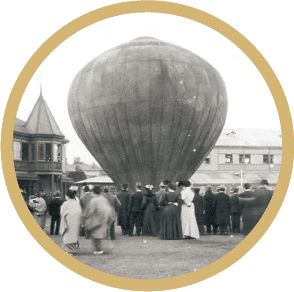
A balloon ride event in front of the YC&AC pavilion at Yokohama Koen, 1905
IMPACT ON SPORT PLAYED BY JAPANESE PEOPLE​

The Japanese people were very impressed by the enthusiasm, dedication and skills of the non-Japanese playing sport in Yokohama and elsewhere and were eager spectators at many events. Before long the Japanese government decreed, as part of its Westernization drive, that males should take up sports. Along with many of the other sports introduced in Yokohama including rowing, football, tennis, golf and athletics, cricket was taught and played by many leading high schools as part of the curriculum for much of the Meiji period (1868-1912). This policy was soon to pose a danger to the very existence of the club.

SECOND CRISIS AND MOVE TO YAGUCHIDAI

As the club grew, nearly everyone assumed that it held the land in perpetuity. But sometime around 1910, the YC&AC received a big shock and faced its second major crisis for, in fact, according to the old lease, the Japanese authorities could terminate the lease simply by serving ‘due notice’ which they now did.

They demanded that Japanese sportsmen should also be allowed access to the wonderful facility right in the center of town. The club fought to preserve its rights but in the end the club was obliged to hand over all its facilities in a gesture of foreign goodwill. It was only the result of heroic efforts by a certain Mr. S. Isaacs that the club was able to acquire the land upon which it now stands in Yaguchidai.

Sigmund S. Isaacs, who steered the Club’s move from Yokohama Koen to its current location in Yaguchidai in 1912
At the same time in order to register the club as a legal entity under Japanese law, the old club was disbanded and a new club simultaneously established based on articles of association dated June 26 1912. After much deliberation and debate, the word ‘Cricket’ was changed to ‘Country’ in the name. The club was duly registered July 4 and 6 days later the land purchase was finalized. A lot of work was now undertaken to level the land and fence it, to prepare the tennis courts as they are today, and also to build a stable. These developments were reported in the annual general meeting for that year as was a long list of subscriptions not only from all over Japan but also from overseas. The exact number of members in 1912 is not known but it was around 291. The following year that rose to 320 but the First World War caused membership to fall to 199.
In those days members got to the club mainly by street car and in the summer could walk down the hill to bathe in the clean water of Mikado Bay which was then part of the ‘Mississippi Bay.’ Some views of Mississippi Bay were rated among the most beautiful in the world, but unfortunately in the 1960’s the authorities decided to reclaim a lot of land from the sea and build petrochemical complexes. So the beaches are long gone and instead of overlooking beautiful beaches, the club now sadly overlooks oil refineries.

GREAT EARTHQUAKE IN 1923 AND WORLD WAR TWO

The club was to suffer further serious crises such as the Great Earthquake in 1923 and World War Two. Mollison himself survived the earthquake but tragically lost one son and the son’s wife. The son who died was an excellent sportsman too and captain of rugby. Though he continued to work in Yokohama and the Mollison building survives to this day, Mollison and his wife were by then living in Kamakura where he continued to reside until his death in 1931.
After the end of World War Two YC&AC’s sport field was for a time turned into a cemetery and the club faced perhaps its biggest crisis of all. Serge Bielous was perhaps the most prominent figure in financing the revival of the club so that it could recover to its present state. With the price of land in Japan having soared soon after World War Two, it is virtually impossible for anyone to create in central Yokohama sports grounds and facilities that could come near to matching those of the YC&AC. Its grounds and facilities are still the envy of every other sports club in the country and many overseas too. But few of the cricketers and other sportsmen playing there today ever pause to reflect on the debt they owe to several key figures especially the vision, wisdom, pioneering spirit, and most of all to the passion for cricket of the extraordinary James Pender Mollison and his fellow cricketers, many of whom were also active in other sports clubs in Yokohama.

The author acknowledges his debt to John Sugiyama whose article on the history of the YC&AC was the starting point in his research on the club and its members.

1868

横浜 YC&AC の起源
C&AC(横浜カントリー&アスレチッククラブ)の歴史は、1868年のある日の出来事から始まったとされています。 その日、23歳のスコットランド人、ジェームズ・ペンダー・モリソン(JP Mollison)は、横浜の自宅のダイニングルームで、クリケット仲間のアーネスト・プライス(Ernest Price)ら数名とともに集まり、「横浜クリケットクラブ(Yokohama Cricket Club/YCC)」を設立しました。モリソンが初代会長、プライスが書記を務めました。
1868年の横浜
1868年は明治維新が起こり、明治時代が始まった年です。 (モリソンは、京都から江戸[現・東京]へ向かう明治天皇の行列を、保土ヶ谷を通過する際に見物したといいます。)
外国人が横浜に居住し、商売を始めたのは1859年7月1日からで、その数はまだ数百人ほどにすぎませんでした。当時の横浜は、日本という巨大な新市場への玄関口として大きな可能性を秘めた場所と見られていましたが、決して「スポーツ天国」ではなく、危険と隣り合わせの暮らしでもありました。

「初期の横浜での生活は実に快適だった。あらゆる種類のスポーツが身近に楽しめた。」
この1890年代の横浜の様子を回想する言葉は、現在にも、そしてYC&ACの150年以上にわたる歴史の大部分にも当てはまります。 今日「横浜カントリー&アスレチッククラブ」として知られるスポーツクラブは、当時の横浜における理想的なスポーツ環境の形成に大きな役割を果たしました。
現在日本で見られるほぼすべての西洋スポーツは、横浜の外国人居留地で、そしてYC&ACおよび後にその傘下に入ったスポーツクラブによって初めて紹介されました。
彼らは日本における近代スポーツの黎明期を支えた原動力だったのです。
モリソンやプライスが暮らした当時の日本は、徳川幕府から明治天皇への政権移行という大きな変革期にあり、国内では各地で反乱や動乱が続いていました。

「攘夷運動」と呼ばれる外国人排斥の動きも依然として根強く、政治的不安定さは外国人居住者にとって常に脅威となっていました。
横浜における初期のスポーツとスポーツクラブ
モリソンが1868年に設立した「横浜クリケットクラブ(YCC)」は、実は横浜で最初のスポーツクラブではありませんでした。
すでにその頃には、ライフルクラブ(射撃クラブ)、ラケッツクラブ(テニスクラブの前身)、レーシングクラブ(競馬クラブ)、そして現在「ラグビー(フットボール)」と呼ばれている競技を行っていたフットボールクラブなど、いくつかのスポーツクラブが存在していました。
特にこのフットボールクラブは、1866年1月26日に設立されたという文書記録が残っており、アジアで最初に創設されたラグビークラブであり、英国以外でも最も初期のクラブの一つとされています。
実際、モリソンは「ありとあらゆる種類のスポーツが、使える土地という土地でまるで月桂樹の葉のように芽吹いていた」と語っており、当時の横浜では多様なスポーツが盛んに行われていたことがわかります。 その中にはクリケットも含まれており、モリソンが日本に来る以前から、すでに横浜でクリケットの試合が行われていたという新聞記事も多く残っています。
こうしたスポーツがこの小さな外国人居留地で急速に発展した要因の一つは、1864年から1870年代半ばまで、居留地の丘(現・山手地区)に駐留していた約1,500名(主にイギリス人)の軍隊の存在でした。
また、当時の横浜港には多くのイギリス艦船も停泊していました。
駐留軍は主に「第20連隊(XXth Regiment)」で構成されており、モリソンが横浜に到着する直前には「第10連隊(Xth Regiment)」に交代しています。
これら両連隊の将校や兵士の中には、熱心で優れたスポーツマンが多数おり、横浜でのスポーツ文化の発展を大いに支えたのです。

1870

沼地グラウンドとそこで行われた初期のクリケット
モリソンと彼の率いた横浜クリケットクラブ(YCC)が、横浜のスポーツ界を牽引する存在となった理由は、彼とプライスが「最高のコンディションでクリケットをしたい」という強い情熱を持っていたからだと思われます。
他の多くのスポーツ愛好家たちは、ただ自分たちの競技を楽しむだけで満足していましたが、モリソンは「本格的なクリケットグラウンドをつくる」という夢を抱いていました。
彼は、自身が横浜に到着する以前にクリケットが熱心に行われていた「パレードグラウンド」について、こう記しています。
「そこには、草の一本すら生えていなかった。」

この1890年代の横浜の暮らしを振り返る言葉が示すように、今日「横浜カントリー&アスレチッククラブ(YC&AC)」として知られるスポーツクラブは、当時の理想的なスポーツ環境の形成において大きな役割を果たしました。 そしてこの言葉は、現在にも、また過去150年間のほとんどの時期にも当てはまるものと言えるでしょう。
現在日本で親しまれているほぼすべての西洋スポーツは、もともと横浜に住む外国人たちによって日本にもたらされたものであり、YC&ACおよびその後に統合された他のスポーツクラブは、それらのスポーツが日本で発展していく上での原動力となったのです。
横浜でスポーツ活動が急速に盛んになった背景には、1862年に発生した「生麦事件」があります。

1880

最初の危機と「クリケット・グラウンド」への移転​
1870年代初頭、当局がスワンプ・グラウンドを開発用地として売却することを決定したため、YCCとそのクリケットチームは大きな問題に直面しました。 幸いにもモリソンは、現在の「横浜公園(Yokohama Koen)」の中心部にあたる埋立地に、より広い土地(1辺120ヤード=約110メートル四方)の使用権を得ることに成功しました。 この場所はかつて、幕府が運営していた有名な「岩亀楼(がんきろう)」という遊郭が1866年の火災で焼失した跡地でもあります。 一方で、元のスワンプ・グラウンドも他の区画とともに売却に出され、買い取ったのは他でもないモリソン自身でした。 彼はその土地に紅茶の火入れ(乾燥)施設を建設しています。 モリソンの事業活動は紅茶だけにとどまらず、すでに彼は横浜の実業界の有力者であり、商工会議所の会頭も務めていました。 さらに後には、アルフレッド・ノーベルの日本代理人となり、ダイナマイトの初輸入者としても知られるようになります。
YCCの黄金期は1880年代初頭に始まりました。
クラブの評判の高さから、ロンドンの商社が優秀なクリケット選手を横浜支店に送り込むようになったのです。 特に有名なのがMourilyan, Heimann & Co.(紅茶商社)で、神戸にも支店を構えており、神戸チームにも優れた選手を送り込み、横浜対神戸の「インターポート・クリケット(港間対抗戦)」のレベル向上に寄与しました。 この頃には、YCC以外にも複数のクリケットチームが誕生し、優秀な選手が各クラブに所属していました。 たとえば、三菱チームのマクミレン(McMillen)、英国大使館チームのレイヤード(Layard)、日本鉄道庁チームのトレヴァシック(Treverthick)らです。 さらに1880年代には、横浜の他のスポーツクラブ(ラグビーや陸上競技など)も次第にYCCへ統合されていきました。
やがて横浜と神戸のインターポート大会は、単なるクリケット対抗戦ではなく、複数競技による総合スポーツイベントへと発展していきます。 1900年には横浜クラブが拡張され、陸上トラックが新設されました。 また、モリソンとダフ氏の監督のもとで二階建てのクラブハウスも建設されました。
この建物はその後火災で焼失しますが、すぐに再建されています。 ちょうど同じ時期、クラブの名称も改められ、
「Yokohama Cricket and Athletic Club(横浜クリケット・アンド・アスレチッククラブ/YC&AC)」と呼ばれるようになりました。

1912

A balloon ride event in front of the YC&AC pavilion at Yokohama Koen, 1905
日本人のスポーツへの影響​
横浜やその他の地でスポーツに熱中する外国人たちの情熱・献身・技術は、日本人に大きな感銘を与えました。 多くの日本人が試合を観戦し、その姿に刺激を受けたのです。
やがて日本政府も、西洋化政策の一環として、男性にスポーツの奨励を命じるようになります。
横浜で紹介されたさまざまなスポーツ——ボート競技、フットボール(サッカー/ラグビー)、テニス、ゴルフ、陸上競技、そしてクリケット——が、日本の多くの名門中学・高校で体育の授業に取り入れられ、明治時代(1868〜1912年)の間に広く行われるようになりました。 しかし皮肉なことに、このような政策が、のちにクラブそのものの存続を脅かす要因となっていくのです。
第二の危機と「矢口台」への移転
クラブの規模が拡大するにつれ、ほとんどの人々はその土地を永久に保有できるものと信じていました。
しかし1910年前後、YC&ACは大きな衝撃を受け、二度目の重大な危機に直面します。
というのも、古い賃貸契約の内容によれば、日本当局は正式な通知(due notice)を行うことで契約を解除できることになっており、当局はついにその権利を行使したのです。
Sigmund S. Isaacs, who steered the Club’s move from Yokohama Koen to its current location in Yaguchidai in 1912
当局は、「横浜の中心にあるこの素晴らしい施設を、日本人スポーツ選手にも開放すべきだ」と要求しました。
クラブ側は権利の維持を懸命に訴えましたが、最終的には外国人クラブとしての善意の証として、すべての施設を明け渡すことを余儀なくされました。
しかし、その後のS・アイザックス氏(Mr. S. Isaacs)による献身的な尽力によって、クラブは現在の所在地である矢口台(Yaguchidai)の土地を取得することに成功しました。

1927

1923年の関東大震災と第二次世界大戦

クラブはその後、1923年の関東大震災、そして第二次世界大戦という、さらなる深刻な危機に見舞われました。
モリソン自身は震災を生き延びましたが、息子とその妻を失うという悲劇に見舞われました。
亡くなった息子もまた優れたスポーツマンであり、クラブのラグビーチームのキャプテンを務めていました。
モリソンは震災後も横浜で事業を続け、「モリソン・ビル」は現在もその名を残しています。
一方で、晩年の彼と妻は鎌倉に居を移し、1931年にこの世を去るまで、そこで穏やかに暮らしました。
第二次世界大戦の終結後、YC&ACのスポーツフィールドは一時的に墓地として転用され、クラブはおそらくその歴史上最大の危機を迎えました。
その再建において中心的な役割を果たしたのが、サージ・ビロウス(Serge Bielous)です。
彼の尽力と資金援助により、クラブは次第に復興を遂げ、今日の姿へとつながる礎が築かれました。
戦後の日本では土地価格が急騰したため、横浜の中心部にYC&ACと同等の規模・設備を備えたスポーツ施設を新たに造ることは、事実上不可能となりました。
そのため、YC&ACの広大な敷地と充実した施設は、今なお国内外のあらゆるスポーツクラブの羨望の的となっています。
モリソンへの敬意
しかし、今日この地でプレーするクリケット選手やスポーツ愛好家の多くは、 自分たちの活動がどれほど多くの人々の努力の上に成り立っているかを、立ち止まって考える機会は少ないでしょう。
特に、その先見性と知恵、開拓者精神、そして何よりもクリケットへの深い情熱を持っていたジェームズ・ペンダー・モリソン(James Pender Mollison)と、彼と共に横浜のスポーツ界を支えた多くの仲間たちの功績は、決して忘れてはならないものです。
本稿の筆者は、クラブとその会員に関する研究を進めるにあたり、YC&ACの歴史に関する記事を執筆したジョン・スギヤマ氏(John Sugiyama)に深く感謝の意を表します。
BILLIARD (SNOOKER & POOL)
FREQUENCY

Weekly practice on Wednesdays from 7:30pm;
you may also arrange games with other players at your convenience.
Billiards Room key is available for checkout at the Front Desk.

AGE
Snooker/Pool: 18 and above – no restriction;
16-18 – seek captain’s approval.
Pool: 10-15 – must be accompanied by an adult member.
PLAYERS
2-4 players per table per game
PLACE
2F Billiards Room
GEAR
None required. Cues and balls are available but please handle with care
FEE
No fee for members
OTHER INFO
Three official tournaments every year –Snooker, Pyramid and 8-Ball, open for all levels
Basketball
FREQUENCY
Kids Basketball – Thursdays 4PM
Fun Basketball – Sundays 12:15PM
AGE
Kids Basketball – 6 to 11yrs old
Fun Basketball – open to all members
PLAYERS
6 to 10 players
PLACE
YC&AC Gymnasium
GEAR
Rubber sole indoor shoes
FEE
Kids Basketball – Members Free | 1,540 yen Non-members
Fun Basketball – Members Free

Darts

FRIDAYNIGHT DARTS
Come and join us in the main bar for a friendly game of darts on a Friday night. Men & women at all levels are welcome, from beginners to Eric Bristow. Some good music and a lot of laughs
For more information please contact sports@ycac.jp to get on the email list and into the Line group

Volleball

FREQUENCY

Friday Fun Volleyball – 7PM
Saturday Fun Volleyball – 10 AM *Youth & Family

PLACE
YC&AC Gymnasium
GEAR
Rubber sole indoor shoes
FEE
Members Free | 1,540 yen Non-members

Tennis

FREQUENCY
Various social tennis gatherings going on the weekends as well as ladies’ Wednesday mornings. Additionally, many members playing freely with each other through their own scheduling. Additionally, there are varying group lessons going on for both children throughout the week, as well as adults on the weekends and ladies on Monday mornings.
LEVELS
Any levels are welcome
AGE
These social gatherings are generally adult only.
PLAYERS
At any regular social gathering 3 – 16, and Club championships even more. At special social events can be anywhere from 16-30 or so participants.
PLACE
YC&AC Clay Tennis Courts
OTHER INFO
We have a variety of Club championships in the Fall, Special Social events about 5-6 times a year, top players gather to play against other clubs, and more …

BADMINTON

FREQUENCY
10:00 am – 12:00 pm on Sundays
AGE
6 to 10 players
PLACE
YC&AC Gymnasium
GEAR
Racket, shuttles and Indoor shoes are necessary
FEE
No fee for members
Alley Bowling
FREQUENCY
Spring League 10 weeks
Summer League 6 to 7 weeks
Autumn League 10 weeks
Winter League 10 weeks
LEVELS
Any levels are welcome
Preferably 80 – 100 (Ladies), 100 – 130 (Men)
AGE
Adults only except for special events
PLAYERS
Less than 20
PLACE
Bowling Alley
GEAR
Bowling rental gear available
FEE
About 2,500 yen per season
OTHER INFO
We have variety of tournaments including Individual and Annual competition,
Fun Night, Challenge the Pro, National Cup, and parties.
Squash
FREQUENCY
Mondays and Wednesdays Monthly league: Last held in Mar. 2020 with 10 players on the ladder. (Not necessary to join the league)
AGE
12 years and up
PLAYERS
Presently around 6 people are playing during the week.
PLACE
YC&AC Squash Courts
GEAR
Most important: Indoor court shoes with clean non marking soles and not running, outdoor,
street or tennis shoes. New comeers can borrow Club racquets for no fee.
FEE
No fee for members

Table tennis

FREQUENCY
3:30pm – 5:30pm on Sundays
LEVELS
All Levels
AGE
No age limit and children are welcome
PLAYERS
Friendly
PLACE
YC&AC Gymnasium
GEAR
Indoor shoes are necessary
FEE
No fee for members

Baseball

FREQUENCY
Doubleheader every Saturday from 10:00AM from mid-March to mid-September
LEVELS
Preferably some experience at any level
AGE
18 and up
PLAYERS
14-16 each Saturday but over 20 on the roster
PLACE
YC&AC Field
GEAR
Glove, not cleated shoes
FEE
No fee
OTHER INFO
The competition varies but most of our opponents are quite talented.
Having said that, everyone that shows up will get a chance to play

Cricket

FREQUENCY
Generally twice a month, may increase in frequency in 2022.
AGE
Kids through veterans
PLAYERS
All welcome
PLACE
YC&AC Ground
GEAR
Limited, but sufficient Club equipment
FEE
Occasionally for special events

Soccer Over – 35

FREQUENCY
Once a week (Saturday late afternoons or evenings)
and sometimes additional tournaments on public holidays
LEVELS
All levels are welcome
AGE
Over 35
PLAYERS
No limit
PLACE
YC&AC Pitch
GEAR
Soccer shoes and shin pads.
FEE
No fee to play. 200 yen for shirt, shorts and socks.
OTHER INFO
12-15 Saturdays per year are official matches in the Kanagawa Prefecture Over-40 league. On all other Saturdays we organize friendly matches with local Masters teams, whether full 11-aside or half pitch 8-aside. About once a month we organize a YCAC-only intra-squad session. As mentioned above, we also participate in 8-aside tournaments on public holidays about once every two months.

Golf

FREQUENCY
Every season (spring, summer, autumn and winter) plus championship
LEVELS
Any level can enjoy
AGE
Any age can enjoy
PLAYERS
Approx. 20
PLACE
Kanto area (mainly Chiba)
GEAR
Bring your club sets
FEE
Approx. 15000 to 19000 yen (incl. 1000 yen for entry fee)
OTHER INFO
Each competition has prizes for winner, runner-up, booby, longest drive, nearest to the pin, etc.

Field Hockey

FREQUENCY
Every Saturday from October through March.
LEVELS
Prior experience of playing hockey required.
Player levels range from agricultural to former national team.
AGE
15 and up
PLAYERS
Ladies and Men welcome! We are a mixed team, playing against other mixed, all-men or all-ladies opposition.
PLACE
YC&AC main pitch
GEAR
Stick, shin pads and mouth guard
FEE
No fee for members